Creating healthier homes and peace of mind throughout Western Montana

Indoor Air Quality Testing

Our mission is simple: help you breathe easier. Whether you’re concerned about mold, allergens, particulate debris, past moisture events, musty odors, or unexplained health symptoms, our team provides science-based indoor air quality testing you can trust.

We specialize in mold air and surface sampling, particulate identification, moisture assessments, crawlspace and attic evaluations, and whole-home indoor air quality investigations using nationally accredited laboratories such as ProLab and Envirobiomics.

Every home tells a story—and our job is to interpret the evidence clearly so you can make informed decisions.
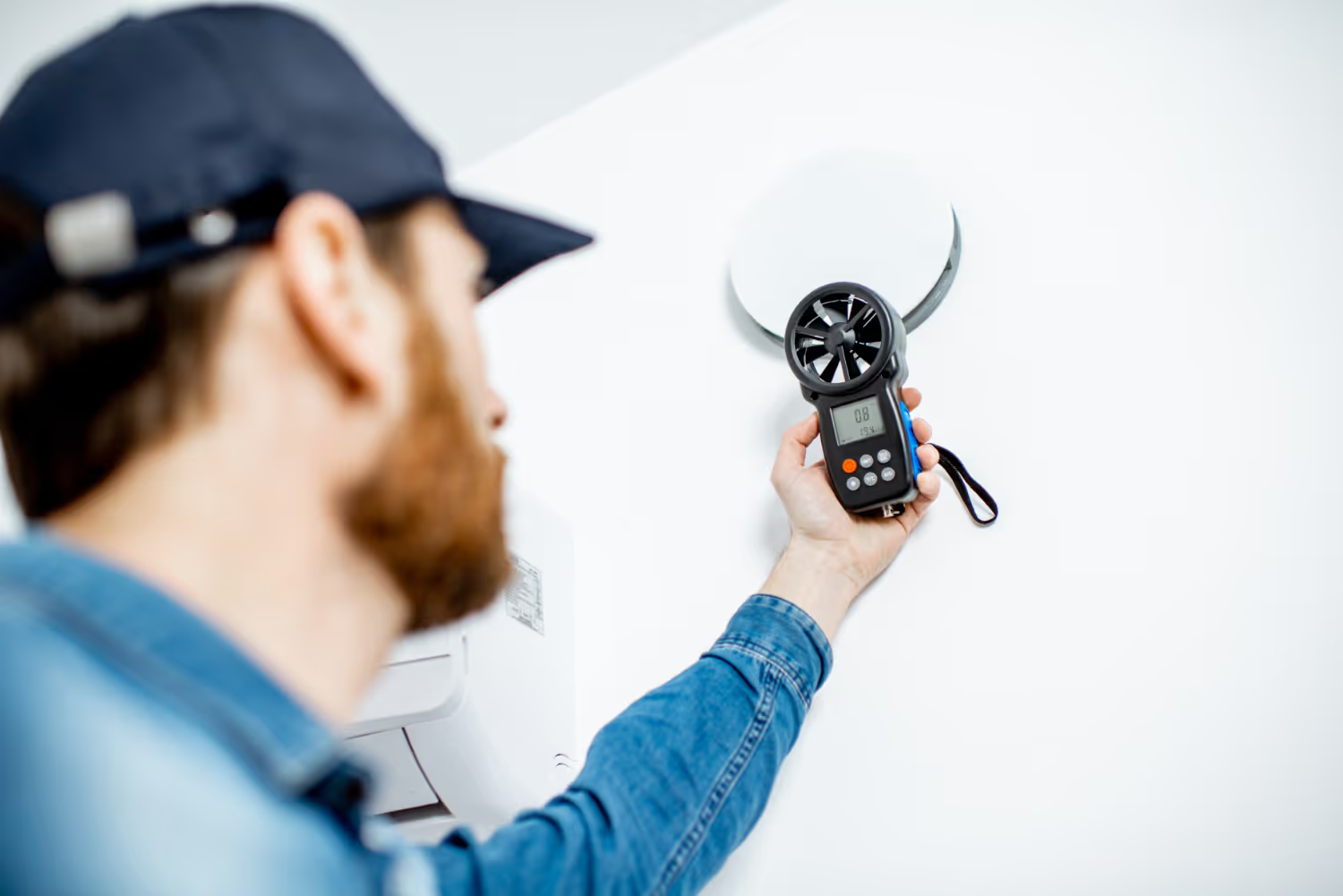
Why Indoor Air Quality Matters

Indoor air can be 2–5 times more polluted than outdoor air. Mold spores, fine particulates, and hidden moisture in building materials can affect:

Respiratory health
Chronic sinus issues
Allergies and asthma
Fatigue, headaches, and irritation
Long-term home durability

Many homeowners don’t realize that mold and particulate contamination is often invisible. That’s why professional testing using calibrated equipment and accredited laboratories is essential.

What We Test For

Mold In The Air
We use industry-standard spore trap cassettes to evaluate mold levels in indoor air compared to outdoor background levels.
What we look for
Elevated mold spore concentrations
Moisture-indicator species such as Stachybotrys, Chaetomium, Ulocladium, and Memnoniella
Water-damage signatures (Cladosporium, Aspergillus/Penicillium complexes)
Distribution patterns across rooms and floors
Air testing helps determine whether mold is a normal ecological presence or a sign of hidden moisture or mold growth inside the building envelope.
Surface Mold Testing
When visible staining, growth, or settled dust is present, we collect:
Tape-lift samples from building materials
Swab samples from non-porous surfaces
These samples pinpoint what is growing, why it may be happening, and whether the conditions are active or historical.
Particulate Identification
Using ProLab’s microscopic analysis, we evaluate debris from surfaces, vents, insulation intrusions, and unexplained dust.
Typical Findings Include
Construction debris
Cellulose insulation fibers
Soot or ash particles
Insect fragments or dander
Bio-particulates
pollen, skin cells, spores
This service is especially valuable when the source of dust or indoor debris is unclear, or when clients experience respiratory irritation even without visible mold.
Moisture & Building Envelope Assessment
Because moisture drives mold growth, every IAQ assessment includes:
Moisture meter readings
Thermal camera screening
Evaluation of plumbing, roofing, crawlspaces, and attics
Inspection for previous water damage or staining
Understanding the cause of mold is just as important as identifying it.
How Our Testing Works
We listen to your concerns, review the home’s history, and identify areas needing focused evaluation.
Step 01
Consultation & Walkthrough
We listen to your concerns, review the home’s history, and identify areas needing focused evaluation.
Step 02
Air & Surface Sampling
Calibrated pumps, sealed cassettes, chain-of-custody procedures, and standardized testing times ensure accurate, defensible results.
Step 03
Accredited Laboratory Analysis
ProLab (AIHA-accredited) and Envirobiomics (ERMI/HERTSMI expertise) analyze samples using microscopic and molecular methods.
Step 04
Clear Interpretation & Personalized Recommendations
Your report includes:
Easy-to-read charts
Indoor vs. outdoor comparisons
Explanations of mold species
Assessment of moisture indicators
Particulate interpretation when applicable
Next-step recommendations
remediation, moisture correction, cleaning, or monitoring
Logo
Common Issues We Help Identify

Safe Home Environmental is locally owned and operated, with decades of combined experience in environmental testing and inspection. We offer:

Hidden mold in wall cavities
Often tied to plumbing leaks, improper ventilation, or historical water events.
Mold in crawlspaces and attics
These areas frequently influence indoor air without residents realizing it.
Dust, fibers, or insulation leakage
Especially common in older homes or after attic disturbances.
Past water damage that was never professionally dried
This can lead to intermittent allergen spikes and persistent symptoms.
Post-remediation verification
Ensuring that a cleanup was successful and the air is safe.
When Should You Consider Indoor Air Quality Testing?
We believe every investigation should answer three important questions:
Recurrent sinus infections or respiratory issues
Musty odors or visible staining
Water leaks, overflows, or flooding
Recent construction or remodeling
Dust accumulation that appears unusual
Concerns about crawlspaces, attics, or mechanical closets
Sensitivity in children, elderly, or immune-compromised family members
What Makes Safe Home Different
We approach every home with the goal of giving you clarity, confidence, and peace of mind.
Get the right peace of mind for your home.
Call Now